

Best Mother’s Day Gift Ever? A Kids Protection Plan®

Girl smiling with her grandmother and mother. She is happy because her mother protects her with a Kids Protection Plan!

As Mother’s Day draws near, we are reminded of the profound role mothers play in nurturing and safeguarding their children’s futures.

It’s a day to celebrate the joys and responsibilities of motherhood, and what better way to honor this commitment than by focusing on kids protection planning? After all, ensuring the safety and well-being of our children is at the heart of what it means to be a mother.

The Essence of Kids Protection Planning

Motherhood is an intricate tapestry of patience, resilience, and unconditional love. It’s about being prepared for scraped knees and ensuring that, even in your absence, your children are cared for and cherished.

While you diligently protect your children with helmets and knee pads, the ultimate safeguard is a well-thought-out plan for their future.

Kids protection planning goes beyond the immediate physical safety of your children.

It’s about making sure that if something were to happen to you, your children would not only be protected but also raised by people you trust who share your values and understand your parenting philosophies.

It’s about appointing guardians who can step in and provide the love and guidance you desperately wish for your children–even if you aren’t there to give it.

The Role of Guardianship in Kids protection Planning

The thought of not being there to watch your children grow up is a difficult one, but it’s a reality we must face head-on for their benefit. When you designate guardians, you take a proactive step in shaping your children’s futures.

And if you haven’t designated guardians yet, you are not alone. According to Pew research, only 6.1% of parents have nominated even one guardian for their young children in their estate plans. This shows how vastly undereducated the general public is about the importance of establishing guardianship for their children.

Guardianship is about making your preferences both known and legally binding to ensure your children’s upbringing aligns with your hopes and values. When there are no questions about your guardianship choices, you protect your children from further complicating an already distressing and confusing time in their lives. 

A Kids Protection Plan® is a comprehensive approach to this aspect of planning. It includes legal documents to name short-term guardians who can be there immediately for your children, preventing them from ever being in the care of strangers. It also involves naming long-term guardians who will raise your children with the same love and care you provide. This plan is a testament to a mother’s foresight and desire to protect her children under any circumstances. 

The Comfort of Knowing Your Children Are Protected

There is no greater peace of mind than knowing your children’s futures are secure. A Kids Protection Plan® offers that comfort. It’s a tangible expression of love that organizes your wishes into actionable steps, ensuring that your children will always be in the right hands. 

Imagine every one of your children’s caregivers knowing who to call if the unthinkable happened. Even your babysitter would know what to do if the police knocked on your door to deliver terrible news. 

You might be thinking that this is great and all, but how do you even approach this scary topic without becoming a puddle? Good new! We have some suggestions.
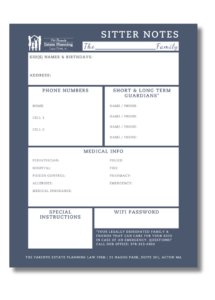
Form for sitter notes

Does your sitter know what to do in an emergency?

Approach Kids Protection Planning with Heart

Kids protection planning doesn’t have to be a somber affair. It can and should be approached with the same warmth and care as any family gathering.

Start with a Family Meeting

Consider estate planning as another aspect of family care. Initiate a casual family meeting over brunch or a cozy dinner. Use this time to express your love and the importance of planning for the future. It’s not about dwelling on the negative but ensuring the family’s continued harmony and security.

Do you think your kids may not be ready for this type of conversation? According to the American Academy of Pediatrics and Stanford Medicine, children as young as preschool-age “start to understand that adults fear death”, and “school-aged children have a more realistic understanding of death.” Though children’s understanding of death’s permanence evolves, it is important to talk about it in an age-appropriate manner. 

This resource, Talking to children about death: an age-by-age guide, provides some helpful context and direction for these conversations.

Create a Legacy Box

Creating a Legacy Box is a deeply personal and engaging way to involve your family in preserving its history and values for future generations. This activity not only helps in organizing important family heirlooms but also serves as a meaningful way to connect with your children and other family members about your shared past and the values that you cherish. Here’s how to start and enrich this process:

Step 1: Gather and Select Items

Begin by gathering various items that hold sentimental value or represent significant moments in your family’s history. This could include photographs, letters, jewelry, small heirlooms, or even recipes that have been passed down through generations. Encourage family members to contribute items that are meaningful to them, ensuring a diverse collection that truly represents the family’s legacy.

Step 2: Include Multimedia Elements

To capture the essence of family members who may no longer be with you, include multimedia elements such as audio recordings or video clips. These can be old home movies, recordings of family events, or interviews with older relatives. If these are in outdated formats, services like Legacybox can digitize them, ensuring they are preserved and accessible for years to come.

Step 3: Document the Stories Behind the Items

Each item in your Legacy Box should come with a story or description explaining its significance. This might involve writing down who originally owned the item, the context in which it was used, and why it’s important to the family. Consider creating a digital or written document that compiles these stories, which can be stored both physically in the box and digitally for easy sharing and preservation.

Step 4: Personalize with Sensory Memories

Try to include items that evoke the senses, such as a vial of a grandmother’s perfume, a favorite spice used in family recipes, or fabric from a cherished piece of clothing. These sensory items can make the legacy more vivid and emotionally resonant for family members.

Step 5: Secure and Store the Box

Choose a durable, secure container to store your items. This box should protect the contents from environmental damages like moisture or sunlight. While the physical box should be kept in a safe place, consider also keeping digital copies of its contents stored online or in a secure digital format, ensuring that the legacy can withstand any physical deterioration over time.

Step 6: Make It an Ongoing Project

A Legacy Box is not just a one-time project; it should be an evolving part of your family’s story. As new significant events occur or as new important items come into your life, add to the box. Regularly update the stories and information to include new insights or family members.

Step 7: Share and Use the Box

Finally, make sure to share the contents of the Legacy Box with your family, especially younger members. Use it as a tool to tell stories, celebrate heritage, and instill family values. It can be brought out during family gatherings, holidays, or significant family milestones like weddings or graduations, making it a central part of your family’s traditions.

By creating a Legacy Box, you are not only preserving your family’s past but also building a foundation for future generations to understand and appreciate their heritage. This box becomes a treasure trove of your family’s history, packed with emotional and historical wealth that will educate and inspire generations to come.

Shared Family Meals

It takes a village to raise kids, so reinforce your village by sharing meals together. These meals provide time for connection, conversation, and the reinforcement of shared values. In the context of kids protection planning for Mother’s Day, these meals can also serve as an opportunity to discuss and solidify plans for your children‘s future, including the important topic of guardianship.

Facilitating Guardianship Conversations

A relaxed mealtime atmosphere can provide the perfect setting to bring up the subject of guardianship. It’s a time when everyone is gathered together, focused on the well-being of the family, making it natural to discuss who might be best suited to care for your children in your absence. These conversations can be approached with sensitivity and openness, allowing for honest discussions about expectations and willingness to take on such a responsibility.

Tips for Integrating Guardianship into Mealtime Discussions

  1. Choose the Right Time: While family meals are a great time to discuss important matters, make sure to choose a time when the atmosphere is positive and everyone is feeling relaxed and open to discussion.

  2. Be Inclusive: Involve all friends and family members in the conversation, including children, as appropriate. This helps everyone understand the importance of the topic and ensures that family values are considered in the decision-making process.

  3. Share Your Wishes: Use mealtime as an opportunity to share your wishes for your children’s upbringing, including the values and experiences you want them to have. This can help potential guardians understand your parenting philosophy.

  4. Listen and Observe: Pay attention to how friends and family interact with your children during these meals. Their interactions can provide insight into who might be best suited to act as guardians.

  5. Follow Up: After initial discussions, follow up with potential guardians privately to delve deeper into the responsibilities and expectations of guardianship.

  6. Encourage Questions: Allow friends and family to ask questions and express any concerns they may have about guardianship. This can help clear up any uncertainties and ensure that everyone is on the same page.

  7. Express Gratitude: Show appreciation for your friends and family’s willingness to be part of the conversation and, potentially, part of your children’s future care.

By integrating guardianship discussions into shared family meals, you can ensure that your children will be cared for by individuals who share your values and are committed to their well-being. These meals can reinforce the village that helps raise your children, providing a foundation of support and love that will last a lifetime.

A Mother's Day of Meaning and Assurance

This Mother’s Day, let’s blend the beauty of simple, shared experiences with the substantial gift of a Kids Protection Plan®. By doing so, we honor the essence of motherhood—the nurturing of our children’s daily joy and the safeguarding of their future well-being.

As we plan for the holiday, let’s remember that the best gifts for a mother come from the heart and resonate with her core values. Whether it’s volunteering together, enjoying a family meal, or establishing a legal plan for the children’s care, these gifts transcend the material and become cherished memories and pillars of security.

To all mothers, soon-to-be mothers, and grandmothers, we wish you a Mother’s Day filled with laughter, love, and the comfort of knowing your children will always be in good hands. Happy Mother’s Day.

For those interested in learning more about the Kids Protection Plan® or scheduling a Family Wealth Planning Session, please contact The Parents Estate Planning Law Firm at (978) 263-6900 and mention this article for a special offer. 

Let this Mother’s Day be the start of a tradition that not only celebrates mothers but also fortifies the family with care and foresight.


Image of Kids Protection Planning Guide

Secure Your Kid's future with a plan

As a parent, you may have questions about what you really need in place to protect your kids, your family, your assets, and yourself. From guardians and trusts to wills and health care documents, it can be hard to know where to start. Read on for answers to some of the most common estate planning questions we hear from parents.

Question 1: What is an estate plan?

When people hear the word estate, they often imagine mansions or large investments, but your estate is simply everything you own: your home, savings, personal belongings, and, most importantly, the people you want to protect.

Estate planning is about making thoughtful decisions ahead of time. It allows you to decide who would care for your children, who would make financial or medical decisions if you couldn’t, and how you want your assets managed and distributed.

Whether you’re just starting your career, growing your family, or planning for retirement, an estate plan gives you the opportunity to make those decisions yourself rather than leaving them to default state laws.

Question 2: Do I really need an estate plan if I’m young and healthy?

Even if you’re young and healthy, estate planning matters because life can change in an instant.

With a plan, you name guardians and decision-makers. Without one, many of those decisions may be left to the court or determined by state law. For example, if both parents are unable to care for their children and no guardian has been named, a court will appoint one.

A thoughtful plan can protect your family’s future, provide guidance, and help ensure your children’s inheritance is handled the way you intend.

Online forms and AI tools can be useful for general education, but they can’t provide legal advice or tailor a plan to your needs. An experienced estate planning attorney can help create a plan that’s customized, complies with state law, and is designed to hold up legally when your family needs it most.

Question 3: What documents are included in an estate plan?

A comprehensive estate plan includes several key documents that work together to protect your family.

A Will lets you name guardians for your minor children and direct how your assets are distributed.

A Revocable Living Trust can help avoid probate and provide more control over how assets are managed and distributed.

A Durable Financial Power of Attorney allows someone you trust to manage your financial affairs if you become incapacitated.

A Health Care Proxy allows you to appoint someone to make medical decisions on your behalf if you’re unable to do so.

A HIPAA Authorization gives the people you choose permission to access your medical information when needed.

The right combination of documents depends on your stage of life and your family’s unique needs.

Question 4: Do I need a will, a trust, or both?

This is one of the most common questions parents ask, and the answer depends on your goals.

A will allows you to name guardians for your minor children and direct how your assets are distributed.

A revocable living trust is often used alongside a will. It can help avoid probate, provide privacy, and give you more flexibility in how assets are managed and distributed.

For parents of young children, one of the biggest advantages of a trust is the control it provides. A trust lets you decide when and how your children receive their inheritance rather than having assets become available when they reach legal adulthood. Without that structure, significant assets like a home or investments may become available at a much younger age than most parents feel is wise. A trust also allows you to appoint someone you trust to manage those assets until your children reach the ages or milestones you choose.

For many families, the right solution includes both a will and a trust. It depends on factors like home ownership, the age of your children, and whether you want to avoid probate or set conditions for an inheritance.

Often, the better question isn’t “Do I need a will or a trust?” but “What do I want my plan to accomplish for my family?”

Question 5: How much does estate planning cost?

The cost of estate planning can vary widely depending on your family’s unique situation, goals, and the complexity of the plan.

The most important question isn’t simply what it costs, but what level of planning will best protect your family.

Once an attorney understands your goals and your situation, they can recommend the right approach and explain the fees up front.

Question 6: What happens if I don’t have an estate plan?

There is always a plan. It just may not be the one you would have chosen.

If you don’t create an estate plan, Massachusetts law provides a default plan for many important decisions. Those laws are meant to provide a framework, but they can’t account for your family’s unique needs or your preferences.

Without a plan, a court may need to appoint guardians for your minor children. Assets will be distributed according to state law, and your loved ones may experience unnecessary delays and additional stress.

Creating a plan allows you, not the state, to make those important decisions and provides clear guidance when your family needs it most.

Question 7: How do I choose a guardian for my children?

Choosing a guardian is one of the most important decisions parents make, and it can also be one of the toughest.

Many families struggle to find the one “perfect” person. At our firm, we help parents think through the decision and identify the best fit for their family. We’ll discuss questions you may not have considered, explore different scenarios, and help you make a decision that reflects your values and gives you confidence in your plan.

Thoughtful estate planning also allows you to clearly document your wishes. In some situations, parents have strong feelings about people they do not want serving as guardians. Clearly expressing those preferences in your legal plan can provide important guidance and help reduce uncertainty if difficult decisions ever need to be made.

Remember, naming a guardian isn’t permanent. As your children grow and circumstances change, your plan can be updated to reflect your family’s evolving needs.

Question 8: What happens if I don’t name a guardian?

If both parents are unable to care for their children and no guardian has been named, a court will appoint someone.

The court’s responsibility is to act in the child’s best interests, but without your guidance, the court could appoint someone you would not have chosen.

By naming a guardian, you provide the court with important guidance about who you believe is best suited to raise your children.

Question 9: When should I update my estate plan?

Estate planning isn’t something you do once and forget. Your plan should grow and change as your life does.

It’s a good idea to review your estate plan after major life events, including:

  • Getting married or divorced

  • The birth or adoption of a child

  • When your children become legal adults

  • Buying or selling a home

  • Receiving a significant inheritance

  • Starting or selling a business

  • A significant change in your financial situation

  • The death or incapacity of someone named in your plan, such as a guardian, trustee, executor, or agent under your power of attorney

  • Moving to another state

  • If your child is diagnosed with special needs, or if their diagnosis, abilities, level of independence, or long-term care needs change over time

  • Every three to five years, even if nothing major has changed

At our firm, estate planning is an ongoing relationship, not a one-time transaction. As your family grows and life changes, we’ll help you review and update your plan so it continues to reflect your wishes and protect the people you love.

Question 10: Can I create my estate plan using AI or online forms?

AI tools and online forms can be helpful for learning basic concepts or organizing your thoughts, but they can’t give legal advice or evaluate your family’s unique situation.

An estate plan is more than a set of forms. It’s a coordinated legal strategy designed around your specific goals and family dynamics.

If key issues aren’t addressed, certain decisions may default to state law, which can lead to unintended results.

Working with a qualified estate planning attorney who works with young families every day helps ensure your plan is tailored to your family’s needs and wishes. Rather than a one-time transaction, you’ll have a trusted advisor who can help keep your plan current as life changes.

Question 11: How do I get started?

Getting started is often easier than people expect.

The first step is scheduling a complimentary 15-minute call with our Client Services Coordinator.

You don’t need to have all the answers before you reach out. You don’t need to know exactly who you’d choose as guardians or what documents you need. That’s what we’re here to help with.

During that call, we’ll learn a little about your family, answer your initial questions, explain what to expect, and help determine the next best step.

If it makes sense to move forward, we’ll schedule a planning session with one of our attorneys, where we’ll talk through your goals, explain your options in plain language, and help you feel confident about the path forward.

Our goal is to make estate planning approachable, understandable, and personal so you can move forward with confidence, knowing your family is protected.

Question 12: What can I expect during my planning session?

Your planning session is a conversation, not a presentation.

We’ll take time to get to know you, listen to your goals, and answer your questions. We’ll walk you through decisions you may not have thought about, such as guardianship and how and when assets should pass to your children.

By the end of your planning session, you’ll have a clear understanding of your options, what we recommend, why we recommend it, and what the next steps look like.

Our goal isn’t simply to create legal documents. It’s to help you build a thoughtful estate plan that reflects your wishes and protects the people you love.

Question 13: How long will my estate plan take to complete?

Creating your estate plan begins with your planning session, and we ask clients to reserve about 90 minutes so we can truly understand your family and your goals.

During the first part of your planning session, we’ll get to know you, answer your questions, explore your wishes, and discuss what’s most important to you. We’ll explain your options in plain language and recommend the level of planning that’s right for your family’s unique situation.

If you decide to move forward with our firm, the second part of the planning session is spent beginning to design your estate plan. Together, we’ll map out the important decisions and gather the information needed to prepare documents that reflect your wishes and protect your family.

It takes about four weeks from your planning session to signing your estate planning documents. A lot will depend on how quickly you’re able to finalize your decisions. It’s important to remember that nothing is legal until it is signed, so we move you to your signing meeting as quickly as possible.

We’ll be with you every step of the way, keeping you informed so you’ll always know what to expect.

Ready to protect your family? Schedule a complimentary 15-minute call with our Client Services Coordinator to get started. Let’s chat. 

Parents Estate Planning Logo

The Parents Estate Planning Law Firm, PC

At The Parents Estate Planning Law Firm, we answer your questions at your convenience; we stay in frequent communication; and we meet to discuss changes in life circumstances and in the law to ensure that your assets are protected.

Share This:

Schedule a
Planning Session

Free Monthly Newsletter

Get valuable information delivered to your inbox each month!

Special Reports

Image of Kids Protection Planning Guide

Kids Protection Planning Guide®

Emptying the Nest

Emptying the Nest: 8 Ways Your Estate Plan Changes When Your Children Become Adults